

In the rapidly evolving world of data networking, selecting the right optical module is no longer just about speed—it’s about balancing infrastructure longevity, power efficiency, and total cost of ownership (TCO).
Whether you are upgrading a small business server room or architecting a massive leaf-spine data center, understanding the nuances between 10G, 40G, and 100G is critical, which Optical Module Fits Your Budget and Bandwidth? 10G vs. 40G vs. 100G
1. Understanding the Contenders
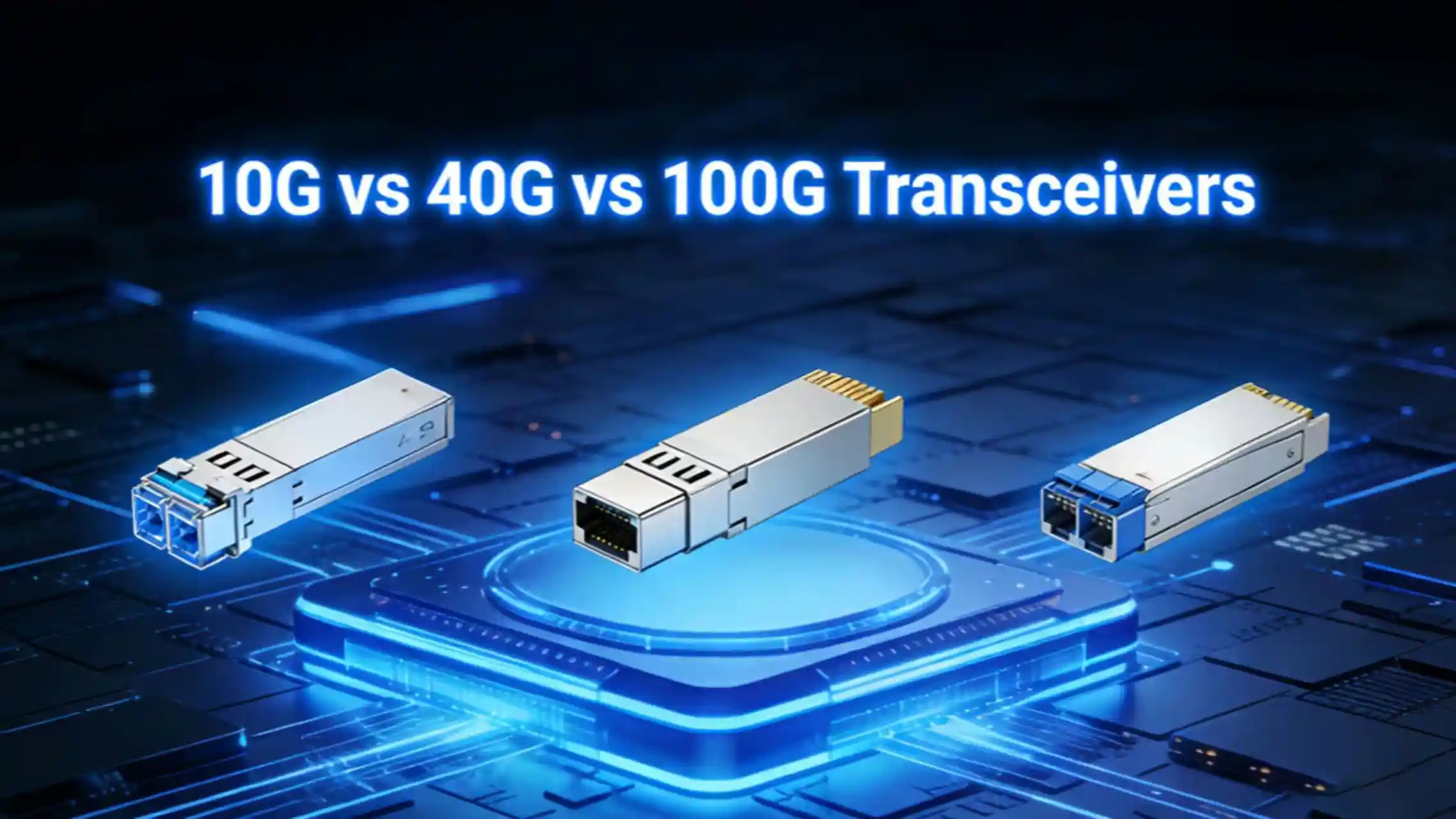
Optical modules (transceivers) convert electrical signals into light to transmit data over fiber. As we move up the scale, the technology behind the “housing” (form factor) changes.
-
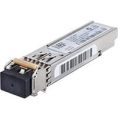
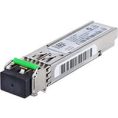
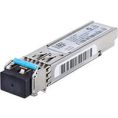
10G (SFP+): The veteran standard. Reliable, low-power, and extremely affordable. It is the go-to for standard enterprise uplinks and storage area networks (SAN).
-
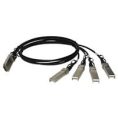
40G (QSFP+): Introduced to provide a bigger pipe by using four 10G lanes bundled together. While still common, it is increasingly viewed as a “transitionary” technology.
-
100G (QSFP28): The current industry gold standard for high-performance networks. It uses four 25G lanes, offering massive density and significantly lower cost-per-gigabit than previous generations.
2. Key Selection Criteria
To choose the right module, you must evaluate your network against these four pillars:
A. Transmission Distance (The “Reach”)
Distance dictates the type of laser and fiber you need:
-
Short Range (SR/SR4): Uses Multi-mode fiber (OM3/OM4). Ideal for distances up to 100m–400m (within the same room or floor).
-
Long Range (LR/LR4): Uses Single-mode fiber. Necessary for distances up to 10km (between buildings or across a campus).
B. Cabling Infrastructure
Your choice is often limited by what is already in your walls:
-
LC Connectors: Standard for 10G and 100G LR4.
-
MPO/MTP Connectors: Often required for 40G and 100G SR4 to handle the multi-lane “parallel” optics.
C. Power and Cooling
Higher speeds generate more heat.
-
A 100G QSFP28 module is more power-efficient than four 10G SFP+ modules. If you are limited by your data center’s cooling capacity, consolidating to 100G is the smarter move.
3. Comparison Table: At a Glance
| Feature | 10G (SFP+) | 40G (QSFP+) | 100G (QSFP28) |
| Primary Use | Enterprise Access | Aggregation/Core | Cloud & Hyperscale |
| Lane Speed | 1 x 10G | 4 x 10G | 4 x 25G |
| Cost per Gbps | Moderate | High | Lowest |
| Power Density | Low | Medium | High |
| Future Proofing | Low | Low/Medium | High |
4. The Strategic Verdict: Which Should You Choose?
Stick with 10G if…
You are running a standard office network, small-scale virtualization, or connecting end-user workstations. It is the most “plug-and-play” solution with the lowest entry price for hardware.
Consider 40G if…
You have existing 40G switches and need to expand slightly. However, be cautious: the industry is largely moving away from 40G in favor of the 25G/100G roadmap.
Invest in 100G if…
You are building for the next 5–10 years. 100G (QSFP28) has reached a “price-performance sweet spot.” It provides the best bandwidth density, consumes less power per unit of data, and is the standard for modern “Leaf-Spine” architectures.
Conclusion
Choosing the right module isn’t just about the fastest speed available; it’s about matching the module to your fiber plant and switch capabilities. For most modern upgrades, 100G offers the best long-term value, while 10G remains the king of the “last mile” in the server room.